
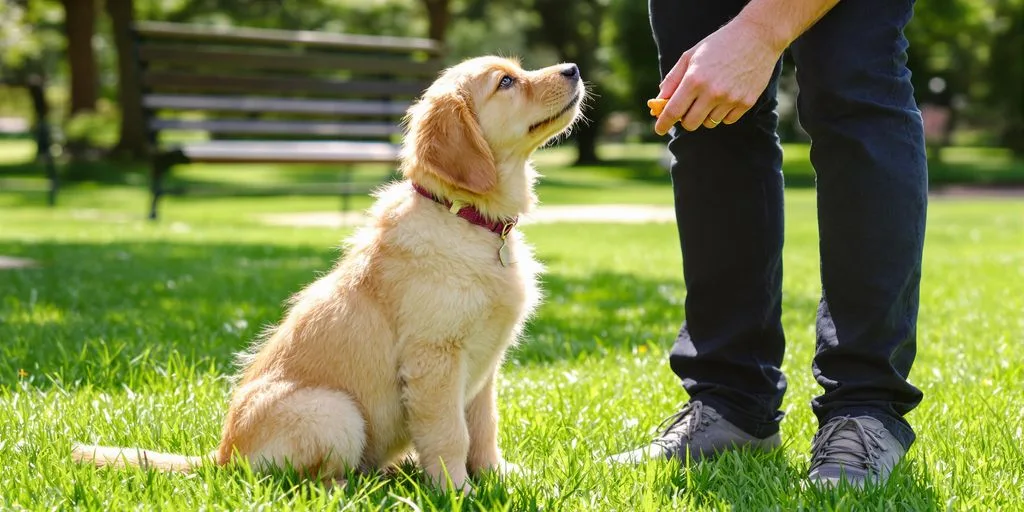
Understanding Basic Commands
The Importance of "Sit"
The "sit" command is often the first one owners teach, and for good reason. It's a foundational command that helps establish your role as the leader. It's useful in countless situations, from waiting for food to greeting guests calmly. A dog that knows how to sit on command is easier to manage and less likely to jump on people or dash out the door. Plus, it's a great way to interrupt unwanted behaviors. I started with short training sessions, using treats to reward my dog every time he sat. Consistency is key, so practice often and in different environments.
Mastering "Stay" for Safety
"Stay" is more than just a trick; it's a safety command. Imagine your dog is about to run into a busy street, or there's broken glass on the sidewalk. A reliable "stay" can prevent accidents and keep your dog out of harm's way. It requires patience and building up the duration gradually. Start with a few seconds, then increase the time as your dog gets better. I found it helpful to use a hand signal along with the verbal command. Remember to always release your dog from the "stay" with a clear release word, like "Okay!"
Teaching "Come" for Recall
"Come" or recall, is arguably the most important command of all. A reliable recall can literally save your dog's life. It means your dog will return to you when called, no matter what distractions are present. This command takes time and dedication to teach. Start in a quiet, enclosed area, and use a high-value treat or toy as a reward. Make it fun and exciting for your dog to come to you. Never punish your dog for coming, even if it took a while; you want them to always associate coming to you with positive experiences. If you are having trouble, consider using a long leash during training to help reinforce the command.
Positive Reinforcement Techniques
Rewarding Good Behavior
Positive reinforcement is all about rewarding your dog when they do something right. It's way more effective than punishing them for doing something wrong. Think of it like this: you're teaching them what you want them to do, not just what you don't want. This creates a much happier and more willing learner. When your dog nails a command, shower them with praise, a tasty treat, or a favorite toy. The key is to be consistent and immediate with your rewards so they make the connection between their action and the positive outcome.
Using Treats and Praise Effectively
Treats and praise are your best friends when it comes to positive reinforcement. But it's not just about handing out treats willy-nilly. You need to use them strategically. High-value treats, like small pieces of cooked chicken or cheese, are great for learning new or difficult commands. Lower-value treats, like their regular kibble, can be used for reinforcing already learned behaviors. And don't underestimate the power of praise! A simple "Good dog!" with an enthusiastic tone can go a long way. Vary your rewards to keep things interesting. Sometimes it's a treat, sometimes it's praise, sometimes it's a quick game of tug-of-war.
Avoiding Punishment in Training
Punishment has no place in positive reinforcement training. It can create fear, anxiety, and even aggression in your dog. Plus, it damages the bond between you and your furry friend. Instead of focusing on what your dog is doing wrong, redirect their behavior to something positive and reward them for that. For example, if your dog is jumping on guests, ask them to sit and reward them when they do. It's all about setting them up for success and rewarding the behaviors you want to see. If you're struggling with a particular behavior, consider consulting with a professional dog trainer. They can help you develop a positive reinforcement plan that works for your dog's individual needs. Remember, pet nutrition plays a big role in their overall well-being, so ensure they're getting a balanced diet to support their training efforts.
Positive reinforcement isn't just about training; it's about building a strong, loving relationship with your dog based on trust and mutual respect. It's about creating a learning environment where they feel safe, confident, and motivated to please you. And that's a win-win for everyone.
Essential Leash Training
Leash training is more than just attaching a leash and going for a walk. It's about building a positive and safe experience for both you and your dog. A well-trained dog on a leash is a joy to walk, making outings more enjoyable and less stressful. It also ensures their safety in various environments. Let's get into it.
Introducing the Leash and Collar
Start slow. Don't just slap a leash on your dog and expect them to be okay with it. Let them get used to the collar first. Put it on for short periods, gradually increasing the time. Make it a positive experience by giving treats and praise. Once they're comfortable with the collar, introduce the leash. Let them drag it around the house for a bit, so they get used to the feeling. The goal is to associate the leash and collar with good things. You can find quality dog food at local pet stores.
Walking Politely on Leash
The key to polite leash walking is to teach your dog to walk beside you without pulling. This takes time and patience. Start in a quiet area with minimal distractions. Use positive reinforcement to reward them when they walk nicely by your side. If they start to pull, stop walking. Wait for them to stop pulling, and then continue. Consistency is key. Here's a simple breakdown:
- Start in a quiet area.
- Keep the leash loose.
- Reward them for walking nicely.
- Stop when they pull.
- Be consistent.
Addressing Pulling Behavior
Pulling is a common problem, but it can be addressed with the right techniques. One method is to change direction whenever your dog starts to pull. This teaches them that pulling doesn't get them where they want to go. Another technique is to use a front-clip harness, which makes it harder for them to pull. Remember to always use positive reinforcement when they're not pulling. Consider using a dog harness for better control.
Leash training is a journey, not a race. There will be good days and bad days. The important thing is to stay consistent and patient. With time and effort, you can teach your dog to walk politely on a leash, making walks a more enjoyable experience for both of you. Remember to celebrate small victories and focus on building a positive relationship with your dog.
House Training Your Pup
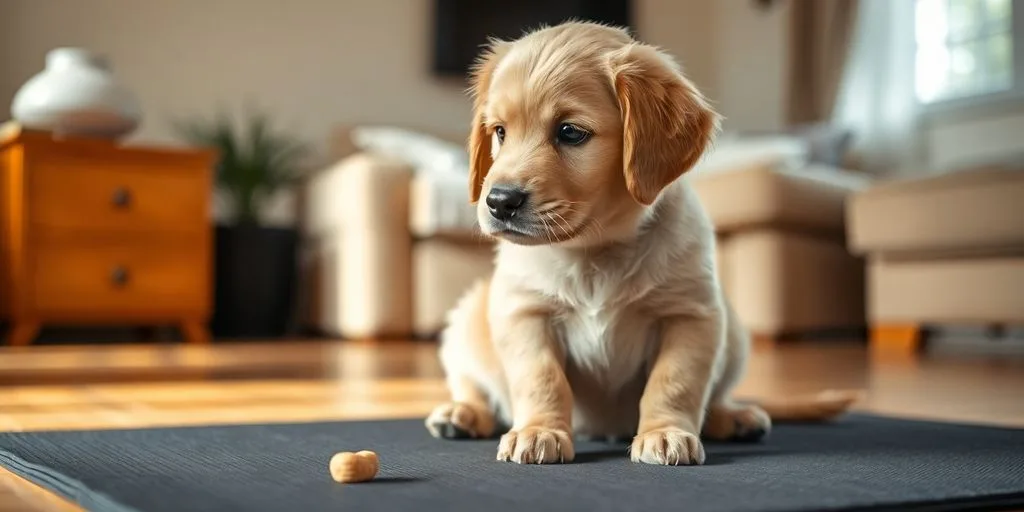
House training can feel like a huge task, but with patience and consistency, you can definitely get your pup on the right track. It's all about setting them up for success and understanding their needs. Remember, accidents happen, and it's important to stay positive throughout the process. Let's get into the details.
Establishing a Potty Schedule
Potty schedules are super helpful. Start by taking your puppy out frequently, especially first thing in the morning, after meals, after naps, and before bedtime.
Here's a sample schedule you could adapt:
Time Activity 7:00 AM Wake up, potty break 7:30 AM Breakfast 8:00 AM Potty break 12:00 PM Lunch, potty break 3:00 PM Potty break 6:00 PM Dinner, potty break 10:00 PM Last potty breakAdjust this based on your puppy's age and needs. Younger puppies need to go out more often because they have smaller bladders. As they grow, they'll be able to hold it for longer periods. Consistency is key here!
Recognizing Potty Cues
Learning to read your puppy's signals is a game-changer. Watch for signs like circling, squatting, whining, scratching at the door, or suddenly stopping an activity. If you catch them doing any of these, immediately take them outside to their designated potty spot. Praise them enthusiastically and offer a treat when they go. The more you pay attention, the easier it will become to anticipate their needs and prevent accidents.
Dealing with Accidents
Accidents will happen, it's just part of the process. The most important thing is not to punish your puppy. They won't understand why you're upset, and it can actually make them afraid of you or of going potty in front of you. Instead, clean up the accident thoroughly with an enzymatic cleaner to eliminate the odor, which can attract them to repeat the behavior in the same spot.
If you catch your puppy in the act, calmly interrupt them with a firm "No" and immediately take them outside. If they finish going potty outside, praise them and give them a treat. If not, bring them back inside and try again later. Remember, patience is your best friend during house training. Understanding puppy potty training is key to success.
Socialization for a Well-Adjusted Dog
Socialization is more than just letting your dog play with other pups. It's about creating a confident, well-adjusted companion who can handle various situations without fear or aggression. Think of it as building a solid foundation for their emotional and behavioral health. It's an ongoing process, but the early stages are incredibly important.
Early Exposure to New Experiences
Getting your puppy out and about early is key. The period up to about 16 weeks is considered a critical socialization window. During this time, puppies are more open to new things. Make sure these experiences are positive! Think gentle introductions, not overwhelming encounters. This could include:
- Car rides
- Meeting people of different ages and appearances
- Hearing various sounds (traffic, children playing, etc.)
- Walking on different surfaces (grass, pavement, carpet)
It's not about quantity, but quality. A few positive experiences are better than many overwhelming ones. Always supervise interactions and be ready to step in if your puppy seems stressed or scared.
Interacting with Other Dogs and People
Proper interactions are crucial. Supervise playdates with other dogs to ensure they're positive and safe. Look for signs of stress or aggression and intervene if necessary. When introducing your dog to new people, encourage calm greetings. Have people offer treats or speak in a gentle voice. If you are looking for puppy socialization, make sure to check out our guide.
Building Confidence in Various Environments
Confidence comes from positive experiences in different places. Take your dog to parks, stores (that allow dogs), and even public transportation (if feasible). The goal is to help them learn that new environments aren't scary. Start with short visits and gradually increase the duration as your dog becomes more comfortable. Always be aware of your dog's body language and adjust the environment accordingly.
Here's a simple table to track your dog's socialization progress:
Environment Date Visited Reaction (Positive/Neutral/Negative) Notes Local Park 07/01/2025 Neutral Slight anxiety around squirrels Pet Supply Store 07/05/2025 Positive Enjoyed the attention from the staff Friend's House 07/10/2025 Negative Overwhelmed by the other dog in the houseAddressing Common Behavioral Challenges
Okay, so you've got the basics down, but what happens when your perfect little angel starts acting like, well, a dog? It's totally normal for pups to develop some behavioral quirks. The key is to address them early and consistently. Let's look at some common issues and how to tackle them.
Managing Excessive Barking
Barking is how dogs communicate, but when it becomes constant, it's a problem. First, figure out why they're barking. Are they bored? Anxious? Territorial? Once you know the cause, you can start working on a solution. For example, if they're barking out the window, try blocking their view. If it's attention-seeking, ignore the barking and only give attention when they're quiet. Consistency is key here.
Curbing Nipping and Biting
Nipping and biting, especially in puppies, can be scary. It's often a form of play, but it needs to be addressed immediately. When your pup nips, say "Ouch!" loudly and stop playing. This mimics how other dogs would react and teaches them that their behavior ends playtime. If the nipping is persistent, you might need to consult a professional trainer. Remember, early intervention is important to prevent it from becoming a serious issue. You can also try providing appropriate chew toys to redirect their biting urges.
Preventing Destructive Chewing
Destructive chewing is a classic dog problem. It's usually caused by boredom, anxiety, or teething. Make sure your dog has plenty of appropriate chew toys. Rotate them regularly to keep things interesting. If you catch them chewing on something they shouldn't, firmly say "No!" and replace it with a toy. For anxious chewers, consider crate training or consulting a vet about anxiety-reducing options. Also, ensure they get enough exercise; a tired dog is less likely to chew out of boredom. Consider high-quality dog food to ensure they are getting all the nutrients they need.
It's important to remember that addressing behavioral issues takes time and patience. Don't get discouraged if you don't see results immediately. Stay consistent with your training, and if you're struggling, don't hesitate to seek help from a professional dog trainer or behaviorist.
Advanced Training and Fun Tricks
Teaching "Down" and "Roll Over"
So, your dog knows the basics? Awesome! Let's crank things up a notch. Teaching "down" is super useful – it's like a more intense "sit." Start by holding a treat near their nose and slowly moving it towards the floor. As they follow the treat and lower themselves, say "down." When they're fully down, give 'em the treat and praise. Consistency is key here. "Roll over" is pure fun. Have your dog lie down, then lure them with a treat to turn their head to one side, then continue luring them to roll onto their back and then all the way over. Say "roll over" as they do it, and reward them when they complete the roll. It might take a few tries, but they'll get the hang of it.
Playing Fetch and Other Games
Fetch isn't just about throwing a ball; it's about engagement and exercise. Start with short distances and gradually increase them. Make sure your dog brings the ball back and releases it. If they don't release, try trading them a treat for the ball. Other fun games include tug-of-war (gentle, of course!), hide-and-seek (hide treats or yourself), and agility courses (you can buy a kit or make your own). These games are great for mental stimulation and burning off energy. Remember to keep it positive and fun for both of you. If you need to buy dog food, there are many options available.
Building a Stronger Bond Through Play
Playtime isn't just about fun and games; it's a crucial way to strengthen the bond with your dog. It's a time for focused interaction, where you're both engaged and enjoying each other's company. Through play, you're building trust, communication, and a deeper understanding of each other. Plus, it's a great way to relieve stress for both of you! Try to incorporate different types of play into your routine to keep things interesting and cater to your dog's individual preferences. Some dogs love to chase, others love to wrestle, and some just want to snuggle. Pay attention to what your dog enjoys most and make that a regular part of your playtime.
Remember, every dog learns at their own pace. Be patient, stay positive, and celebrate the small victories. The goal is to have fun and build a stronger relationship with your furry friend.
Want to teach your dog some cool new moves or get them ready for a competition? Our advanced training tips and fun tricks section is packed with ideas to help your furry friend shine. From complex commands to amazing stunts, we've got everything you need to take your dog's skills to the next level. Check out our website for more awesome training guides and make your dog the smartest on the block!
Wrapping Things Up: A Well-Trained Dog is a Happy Dog
So, there you have it! Getting your dog to learn these basic commands might seem like a lot at first, but trust me, it's totally worth it. It's not just about them knowing 'sit' or 'stay'; it's about building a good connection with your dog. When you put in the time and effort, you'll see a big change in how they act. They'll be more confident, and you'll both be happier. Just remember to be patient, keep things fun, and celebrate every little win. Before you know it, you'll have a really well-behaved dog that everyone loves being around. And hey, if you ever need more tips or some good treats to help with training, Kulot Pet Supplies is always here for you!