
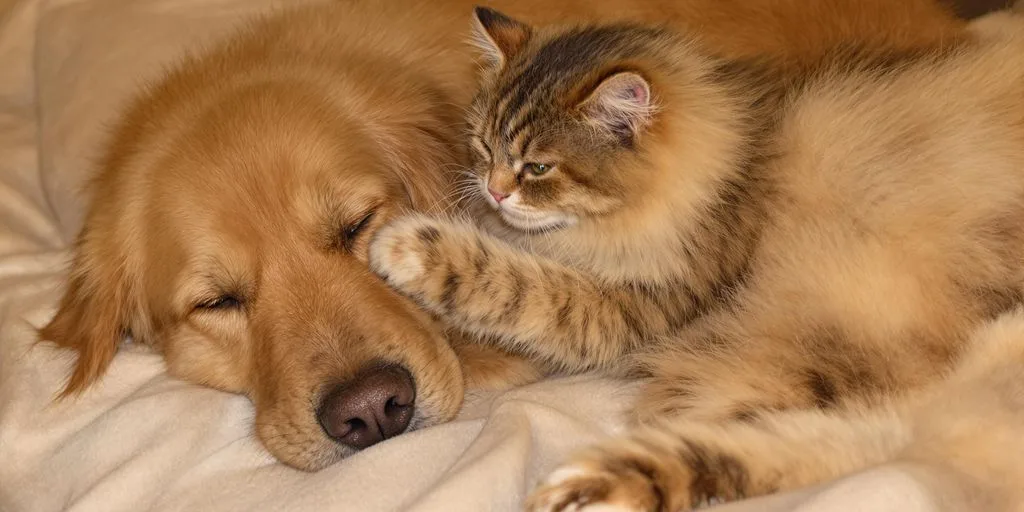
Understanding Pet Obesity: A Growing Concern
Pet obesity is becoming a widespread issue, mirroring human trends. It's not just about aesthetics; it significantly impacts your pet's health and well-being. Recognizing the problem is the first step toward ensuring a happier, healthier life for your furry friend. It's easy to let those extra treats slide, but the consequences can be serious. Let's take a closer look at what constitutes a healthy weight, how to spot the signs of excess weight, and the potential health risks involved.
Defining Healthy Weight for Your Pet
Determining a healthy weight for your pet isn't as simple as stepping on a scale. Breed, age, and body type all play a role. A good starting point is to consult with your veterinarian. They can assess your pet's body condition score (BCS), a standardized system that evaluates fat distribution. You should be able to feel your pet's ribs without excessive fat covering them. A visible waistline when viewed from above is also a good indicator. Remember, what's healthy for a Chihuahua won't be the same for a Great Dane. It's all about finding the right balance for your individual companion. If you are unsure, consult with your vet to get a tailored approach.
Recognizing the Signs of Excess Weight
Spotting weight gain in pets can be tricky since it often happens gradually. However, there are several telltale signs to watch out for:
- Difficulty feeling ribs.
- Lack of a defined waistline.
- Decreased energy levels and reluctance to exercise.
- Excessive panting or shortness of breath.
- Difficulty grooming or reaching certain areas.
If you notice any of these signs, it's time to take action. Don't dismiss it as "just getting older." Early intervention is key to preventing more serious health problems down the road. It's also important to consider that inactivity is a major contributing factor to weight gain.
The Health Risks Associated with Pet Obesity
Obesity in pets isn't just a cosmetic issue; it's a serious health concern that can significantly shorten their lifespan and reduce their quality of life. Overweight pets are at a higher risk for a range of health problems, including:
- Diabetes: Excess weight can lead to insulin resistance.
- Arthritis: Extra weight puts stress on joints, accelerating wear and tear.
- Heart disease: Obesity can strain the cardiovascular system.
- Breathing problems: Excess fat can restrict airways.
- Increased risk of certain cancers.
Addressing pet obesity proactively can save you money on vet bills in the long run and, more importantly, give your pet a longer, healthier, and happier life. It's a commitment to their well-being that pays dividends in countless ways.
It's important to remember that these are just some of the potential risks. Obesity can exacerbate existing conditions and make your pet more susceptible to illness. Taking steps to manage your pet's weight is one of the best things you can do for their overall health.
The Role of Pet Nutrition in Weight Management
It's easy to think that weight loss is just about cutting back on food, but when it comes to our pets, nutrition plays a way bigger role than you might expect. It's not just about how much they eat, but what they eat. Getting the right balance of nutrients is super important for helping them shed those extra pounds safely and effectively. Think of it like this: you wouldn't try to build a house with flimsy materials, right? Same goes for your pet's body – it needs the right fuel to function properly, especially when trying to lose weight.
Choosing the Right Pet Food for Weight Loss
Picking the right food can feel like navigating a minefield. There are so many options out there, and they all claim to be the best! Look beyond the flashy labels and focus on the ingredients list. You want something high in protein and fiber, but lower in fat and calories. Protein helps your pet feel full and maintains muscle mass, while fiber aids in digestion and also contributes to that feeling of fullness. Avoid foods packed with fillers like corn or wheat, as these offer little nutritional value. Consider consulting with your vet to find a suitable diet that meets your pet's specific needs.
Understanding Calorie Needs and Portion Control
Okay, so you've got the right food. Now what? It's all about portion control. Just like with humans, overfeeding is a major contributor to pet obesity. Forget free-feeding – that's a recipe for disaster! Instead, figure out how many calories your pet needs each day based on their ideal weight and activity level. Use a measuring cup to ensure you're feeding the correct amount. Here's a basic guideline, but remember to adjust based on your vet's recommendations:
Weight (lbs) Daily Calorie Needs (Approximate) 10 200-275 20 350-450 50 700-900 80 1000-1300The Benefits of High-Quality Pet Nutrition
Investing in high-quality pet food might seem expensive upfront, but it can save you money (and heartache) in the long run. Better nutrition means a healthier pet, which translates to fewer vet visits and a longer, happier life. High-quality food is more digestible, so your pet absorbs more nutrients and produces less waste. Plus, it can improve their coat, skin, and overall energy levels. It's a win-win! Consider exploring essential food options for your furry friend.
Think of your pet's food as medicine. The better the quality, the more effective it will be in helping them achieve and maintain a healthy weight. It's not just about filling their bellies; it's about nourishing their bodies from the inside out.
Developing an Effective Weight Loss Plan
Alright, so your pet needs to shed some pounds. It's not just about cutting back on food; it's about creating a sustainable plan that works for your pet's lifestyle and health. Here's how to get started:
Consulting Your Veterinarian for a Tailored Approach
First things first: talk to your vet. They can assess your pet's overall health, rule out any underlying medical conditions that might be contributing to the weight gain, and help you determine a safe and effective weight loss target. Your vet can also recommend a specific diet or feeding plan based on your pet's individual needs. They might suggest blood work to check for thyroid issues or other problems. Don't skip this step – it's super important!
Incorporating Regular Exercise into Your Pet's Routine
Exercise is key! Just like with people, it helps burn calories and build muscle. But you can't just suddenly start running your couch potato pet for miles. Start slow and gradually increase the intensity and duration of the activity. Here are some ideas:
- Walking: Even a short daily walk can make a difference. Start with 10-15 minutes and gradually increase the time.
- Playtime: Engage your pet in active play, like fetch or chasing a laser pointer. This is especially good for cats.
- Swimming: If your dog enjoys water, swimming is a great low-impact exercise.
Monitoring Progress and Adjusting Strategies
Weight loss isn't always linear. Some weeks your pet might lose weight, and other weeks they might stay the same. It's important to track your pet's progress and adjust your strategies as needed. Here's how:
- Weigh your pet regularly: Use a scale to track your pet's weight. Aim for slow and steady weight loss, usually around 1-2% of their body weight per week.
- Take body condition score (BCS) measurements: This is a visual assessment of your pet's body fat. Your vet can show you how to do this.
- Adjust food portions as needed: If your pet isn't losing weight, you might need to reduce their food portions further. If they're losing weight too quickly, you might need to increase their portions slightly.
Remember, consistency is key. Stick to the plan as much as possible, even when it's tough. And don't get discouraged if you don't see results immediately. It takes time and patience to help your pet reach a healthy weight. If you need pet nutrition advice, consult with your vet or a qualified pet nutritionist.
Practical Tips for Feeding Your Overweight Pet
Helping your pet shed those extra pounds involves more than just switching to a different food. It's about creating a structured and mindful feeding routine. Let's get into some actionable tips you can start using today.
Measuring Food Accurately for Optimal Pet Nutrition
One of the biggest mistakes pet owners make is eyeballing food portions. It's super easy to overfeed without even realizing it! Grab a kitchen scale or a standard measuring cup specifically for pet food. Consistency is key here. Check the food label for recommended daily amounts, but remember, these are just guidelines. Your vet can give you a more precise amount based on your pet's individual needs. Also, consider the type of food; dry kibble versus wet food will have different calorie densities. For example, if you're looking for quality pet essentials, make sure to check the labels for accurate measurements.
Limiting Treats and Table Scraps
Okay, this is a tough one, I know! Those puppy-dog eyes are hard to resist. But treats and table scraps can seriously derail your pet's weight loss efforts. Think of treats as occasional rewards, not everyday snacks. Opt for healthy options like small pieces of carrots or green beans. And as for table scraps? A big no-no! Human food is often high in calories, fat, and salt, which aren't good for your pet. Plus, some foods are downright toxic to animals. If you absolutely must give your pet a treat, factor those calories into their daily food allowance.
Exploring Specialized Diet Options
There are tons of specialized diet options out there designed to help pets lose weight. These foods are typically lower in calories and higher in fiber, which can help your pet feel fuller for longer. Some even contain added nutrients to support joint health, which is especially important for overweight pets. Talk to your vet about whether a weight management food is right for your pet. They can recommend a specific brand or type of food based on your pet's individual needs and health conditions.
It's important to remember that weight loss is a gradual process. Don't expect to see results overnight. Be patient, consistent, and celebrate small victories along the way. Your pet will thank you for it!
Maintaining a Healthy Weight Long-Term
So, your pet has successfully shed those extra pounds – awesome! But the journey doesn't end there. Keeping that weight off is just as important, if not more so, than the initial weight loss. It's all about creating sustainable habits and staying consistent. Think of it as a lifestyle change for both you and your furry friend. It's not always easy, but the payoff – a healthier, happier pet – is totally worth it.
Establishing Consistent Feeding Schedules
Forget free-feeding! Set specific mealtimes and stick to them. This helps regulate your pet's metabolism and prevents overeating. Plus, it makes it easier to monitor how much they're actually eating. I usually feed my dog twice a day, once in the morning and once in the evening. It's predictable, and he knows when to expect his food. This also helps with digestion and can reduce begging between meals. It's a win-win!
Continuing Regular Physical Activity
Exercise is key, not just for weight loss, but for overall health and well-being. Don't let those walks or play sessions fade away once your pet reaches their target weight. Keep them active! Tailor the activity to your pet's breed, age, and physical condition. A brisk daily walk might be perfect for a dog, while a cat might enjoy interactive play sessions with toys. Even short bursts of activity throughout the day can make a difference. Remember to adjust the intensity and duration as needed to keep it fun and safe. Consider using treat toys to keep them engaged.
Periodic Veterinary Check-ups for Pet Nutrition Guidance
Regular vet visits are crucial for monitoring your pet's weight and overall health. Your vet can assess their body condition, adjust their diet as needed, and identify any underlying health issues that might be affecting their weight. They can also provide personalized pet nutrition advice based on your pet's specific needs. Don't skip those check-ups! They're an important part of maintaining your pet's healthy weight long-term.
Maintaining a healthy weight for your pet is a continuous process that requires commitment and attention. It's about creating a lifestyle that supports their well-being and prevents weight regain. By establishing consistent feeding schedules, continuing regular physical activity, and scheduling periodic veterinary check-ups, you can help your pet live a longer, healthier, and happier life.
Here's a simple table to track your pet's progress:
Date Weight (lbs) Activity Level Notes 07/01/2025 25 Moderate Seems a bit hungrier, adjust portion? 07/08/2025 24.5 Moderate Doing great! 07/15/2025 24 Moderate Keep up the good work!And here are some things to keep in mind:
- Adjust food portions based on activity level and weight changes.
- Monitor your pet's body condition regularly.
- Be patient and consistent with your approach.
- Celebrate your pet's success with non-food rewards, like extra playtime or a new toy.
Addressing Behavioral Aspects of Pet Eating
It's easy to focus on the what and how much when it comes to your pet's food, but the why is just as important, especially if you're dealing with an overweight pet. Understanding and addressing the behavioral aspects of eating can make a huge difference in their weight loss journey. It's not just about the food; it's about their habits and emotional connection to eating.
Managing Begging and Food-Seeking Behaviors
Okay, let's be real, those puppy-dog eyes are hard to resist! But giving in to begging only reinforces the behavior. Consistency is key here. If you give in sometimes, your pet will keep trying. Here's what you can do:
- Ignore the begging: Don't give them attention when they beg. Turn away, don't make eye contact, and definitely don't give them food.
- Establish clear boundaries: Make it clear when and where they're allowed to eat. No food from the table, ever.
- Offer attention at other times: Give them love and playtime when they aren't begging. This helps them associate you with positive interactions that don't involve food. You can find quality food at local pet stores.
Enrichment Activities to Reduce Boredom Eating
Just like people, pets sometimes eat out of boredom. If they're not getting enough mental stimulation, they might turn to food for entertainment. Here are some ideas to keep them busy:
- Puzzle feeders: These make mealtime a game, slowing down eating and providing mental stimulation.
- Interactive toys: Toys that dispense treats when your pet plays with them can keep them entertained for hours.
- Training sessions: Short, regular training sessions are a great way to engage their minds and burn some calories. Plus, they get to spend time with you!
The Impact of Stress on Pet Nutrition
Stress can seriously mess with a pet's eating habits. Some pets eat more when they're stressed, while others eat less. It's important to figure out what's causing the stress and address it directly.
Changes in routine, new pets in the house, or even loud noises can trigger stress in pets. Creating a calm and predictable environment can help reduce stress-related eating issues. If you suspect your pet is stressed, talk to your vet. They can help you identify the cause and recommend solutions, like calming supplements or behavior modification techniques.
Here are some things to consider:
- Identify stressors: What's changed in their environment or routine?
- Provide a safe space: Make sure they have a quiet place to retreat to when they feel overwhelmed.
- Consider professional help: A veterinary behaviorist can provide guidance on managing anxiety and stress-related eating problems.
Does your pet eat too fast, or are they picky eaters? Understanding why your furry friend acts a certain way around their food can make a big difference. We have lots of tips to help with common eating problems. Check out our blog for more helpful advice!
Wrapping Things Up: A Healthy Pet is a Happy Pet
So, we've talked a lot about pet obesity. It's a real problem, but it's also something we can totally fix. Remember, keeping your pet at a good weight isn't just about how they look. It's about making sure they live a long, happy life with fewer health issues. Small changes can make a big difference. Just like us, our pets need good food and to move around. If you're not sure where to start, talk to your vet. They can help you figure out a plan that works for your pet. Let's all work together to keep our furry friends healthy and full of life!